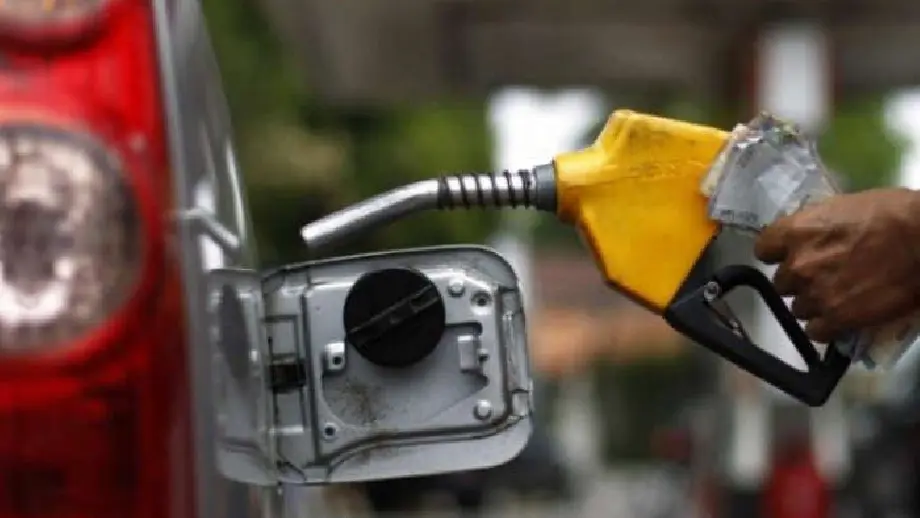
Many Nigerians are feeling the pinch as fuel prices continue to surge, sending transportation and living costs skyrocketing across the country.
MetroNews reports that while salaries remain largely stagnant, the cost of Premium Motor Spirit (PMS), diesel, kerosene, and cooking gas has risen sharply, compounding the financial strain on households. The price hike has had an immediate ripple effect, raising food prices, transport fares, and overall business costs.
In Abuja, petrol now sells between N1,300 and N1,450 per litre, while diesel approaches N2,000 per litre, reflecting global oil market pressures and currency fluctuations.


Commuters and motorists report a severe squeeze on incomes, with fuel expenses rising by as much as 40%. For many, the hike leaves little for food or other essentials.
Africa’s richest man, Aliko Dangote, warned that the ongoing conflict in the Middle East between Iran and the U.S.-Israel coalition could exacerbate the situation, impacting small businesses and large industries alike. “Energy affects everything. From small businesses like barbers to industries running generators, everyone will feel the impact if costs continue to rise,” he said.
The Nigeria Labour Congress (NLC) has called for urgent government intervention as petrol prices edge toward N1,400 per litre. They warn that failure to act could trigger job losses, business closures, and worsening inflation, especially given successive price hikes by Dangote Petroleum Refinery, which raised ex-depot petrol prices to N1,275 per litre—its fifth increase in March.
Affected commuters shared their struggles. Chinedu Ike, a commercial bus driver in Abuja, said, “I am spending almost all the money I make on fuel. This morning, I spent more than N50,000 just to operate.”
An Abuja civil servant added, “We are spending nearly all our salaries on transportation. I spent N1,500 just getting to work today.”
Others echoed similar concerns. Peter Echo lamented, “After paying for transport and feeding my family, there is almost nothing left for savings or plans.”
Transport costs have quadrupled for workers commuting from satellite towns such as Mararaba, Suleja, Gwagwalada, Kuje, Kwali, Masaka, Keffi, and Abaji, according to Anthony Ameh, a labour advocate. He urged government authorities to take decisive action to prevent further economic hardship, poverty, and mental health challenges.