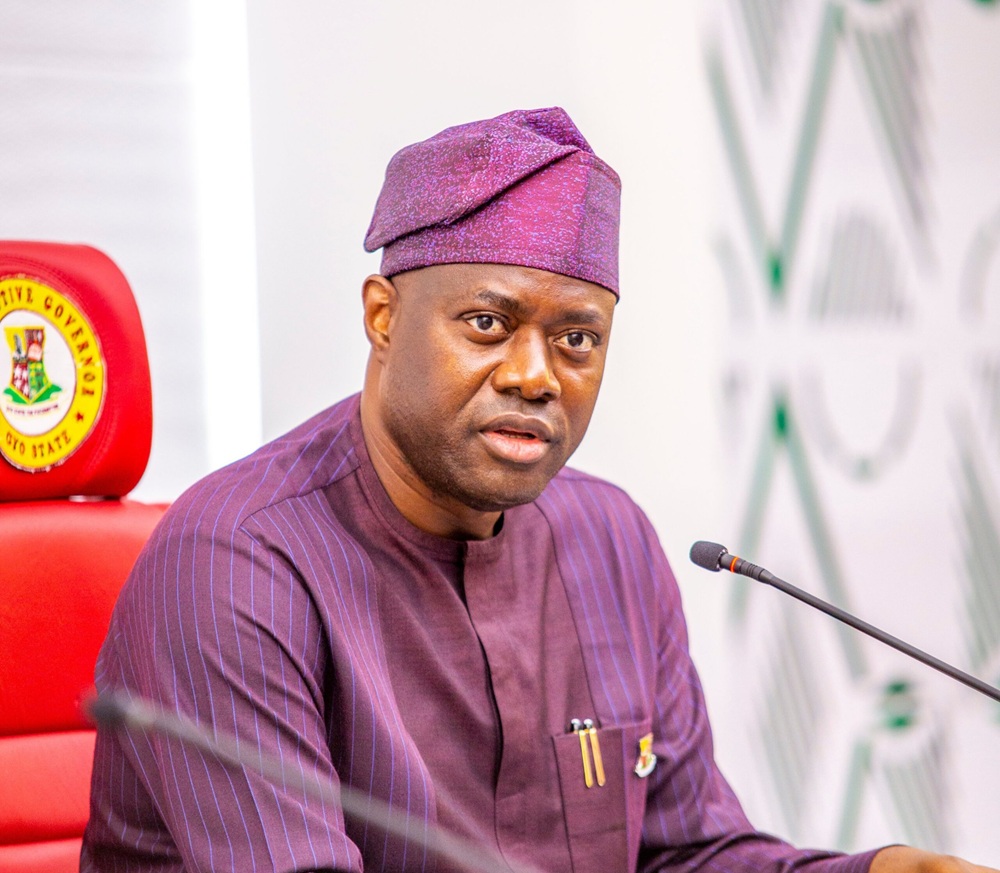
Political tension is rising within Oyo State as stakeholders await Governor Seyi Makinde’s long-anticipated decision on his preferred successor ahead of the 2027 governorship election.
The governor’s delay in naming a candidate for the Peoples Democratic Party (PDP) ticket has stirred speculation, uncertainty, and quiet anxiety among party loyalists and political observers.
Makinde had earlier promised, during the 11th Omituntun Ramadan Lecture in March 2025, to unveil his preferred candidate by January 2026. However, months later, he has yet to make that announcement, opting instead to outline the qualities he expects in a potential successor.

At the 2026 edition of the annual lecture, the governor shifted focus from naming a candidate to emphasizing competence, leadership capacity, and loyalty to Oyo State over personal allegiance.
He warned against the risks of installing leaders who lack commitment to the state, referencing past political experiences where successors failed to uphold governance priorities.

His silence has fueled widespread speculation, especially as the PDP in Oyo grapples with internal crises, defections, and leadership disputes. These challenges have also sparked rumours that Makinde could consider aligning with another platform, including the African Democratic Congress (ADC), if internal issues persist.
Observers believe the governor may be strategically waiting for the PDP’s internal conflicts and legal battles to be resolved before making a definitive move.
The uncertainty has deepened divisions within the party, with some members questioning Makinde’s influence and long-term political intentions as his tenure winds down in 2027.
Amid the tension, the Governor’s Advisory Council (GAC), led by Chief Bolaji Ayorinde (SAN), has begun engaging governorship aspirants in a series of consultative meetings aimed at understanding their visions for the state.
Ayorinde clarified that the exercise is not a formal screening process but an interactive platform to assess ideas and promote inclusiveness.
“We are not imposing any candidate. This is about engagement and ensuring a fair process,” he said, adding that the council would later submit its advisory report to the governor.
The move, however, has generated mixed reactions, with some party insiders suggesting it could be a subtle step toward validating a preferred candidate already backed by the governor.
At a recent stakeholders’ meeting, Makinde sought to calm nerves, assuring party members that the PDP would remain a viable platform for the 2027 elections.
He also introduced a consensus approach for selecting candidates across all elective positions, citing the need for unity amid ongoing internal challenges.
The governor announced automatic tickets for certain categories of lawmakers, including returning federal legislators and first-term House of Assembly members, as part of efforts to stabilize the party.
While the consensus model is seen by some as a strategy to prevent further division, critics argue it could also consolidate the governor’s influence over the emergence of candidates—particularly the governorship flagbearer.
Despite the growing tension, Makinde has maintained tight control over party affairs, managing competing interests and ambitions within the PDP.
Political analysts say his eventual choice of a successor will significantly shape the party’s fortunes in Oyo State and could determine its strength heading into the 2027 general elections.
With time ticking and expectations rising, all eyes remain on the governor as he navigates internal party dynamics, personal legacy considerations, and the high-stakes task of choosing who will inherit the Agodi Government House.