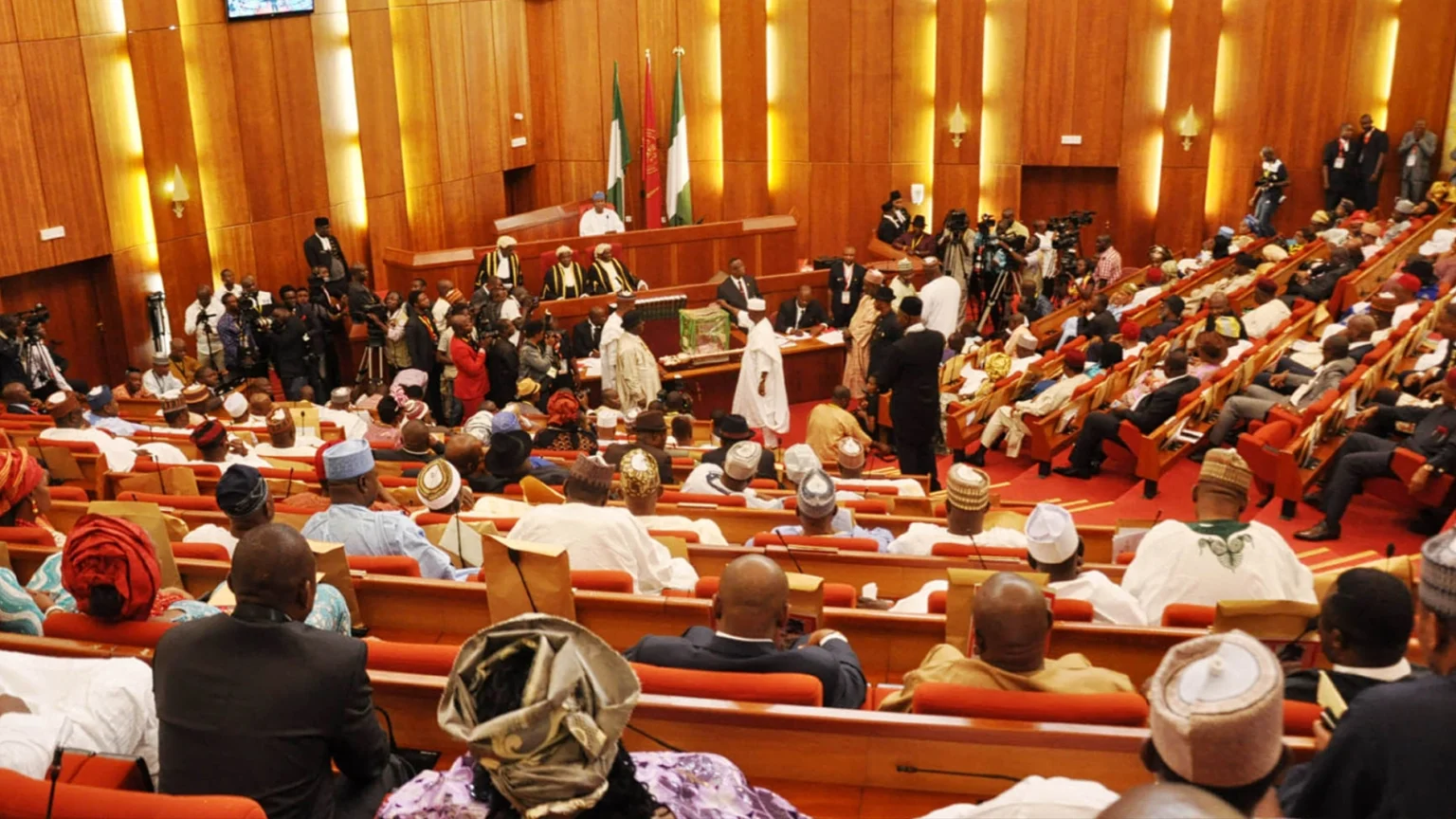
Fresh defections across Nigeria’s National Assembly have underscored widening cracks within opposition parties, as 20 federal lawmakers switched political platforms amid escalating internal disputes and shifting alliances ahead of the 2027 general elections.
In the House of Representatives, 17 lawmakers defected from the African Democratic Congress (ADC) to the Nigerian Democratic Congress (NDC) during plenary, marking one of the largest single-day movements in recent times. The development follows the earlier exit of key political figures, including former Anambra State governor Peter Obi and ex-Kano State governor Rabiu Musa Kwankwaso, who both recently joined the NDC.
Also during plenary, Leke Abejide, representing Yagba Federal Constituency in Kogi State, defected from the ADC to the ruling All Progressives Congress (APC), further weakening the opposition bloc.
Those who joined the NDC in the House include Yusuf Datti, Uchenna Okonkwo, Adamu Wakili, Thaddeus Attah, George Ozodinobi, Lilian Orogbu, Oluwaseyi Sowunmi, Peter Aniekwe, Mukhtar Zakari, George Oluwande, Munachim Umezuruike, Emeka Idu, Jesse Onuakalusi, Ifeanyi Uzokwe, Afam Ogene and Abdulhakeem Ado.

Explaining his move, Obi said his defection was driven by a commitment to “rescue Nigeria” from deepening economic and governance challenges. He cited internal crises and legal disputes within parties as factors undermining democratic participation.
In the Senate, three lawmakers also changed parties. Victor Umeh (Anambra Central) and Rufai Hanga (Kano Central) both defected to the NDC from the ADC and the New Nigeria Peoples Party (NNPP), respectively, citing leadership divisions and ideological differences. Meanwhile, Enyinnaya Abaribe resigned from the ADC and joined the Labour Party over unresolved internal conflicts.

Reacting during plenary, Senate President Godswill Akpabio described the ADC as “effectively dead,” drawing mixed reactions from lawmakers. He also criticised the frequency of defections, suggesting a more coordinated process for announcing such moves.
Despite the wave of exits, the ADC dismissed concerns about its future. Its National Publicity Secretary, Bolaji Abdullahi, acknowledged the departure of Obi and Kwankwaso as significant but insisted it would not derail the party’s ambitions for the 2027 elections.
Meanwhile, the NDC has zoned its presidential ticket to the South, a move widely seen as boosting Obi’s chances of securing the party’s nomination. Party stakeholders say the decision aligns with calls for power rotation and equitable representation.
Political analysts say the ongoing realignments could reshape the 2027 electoral landscape. However, concerns remain that continued fragmentation within opposition ranks may ultimately benefit the ruling APC if a unified front is not achieved.