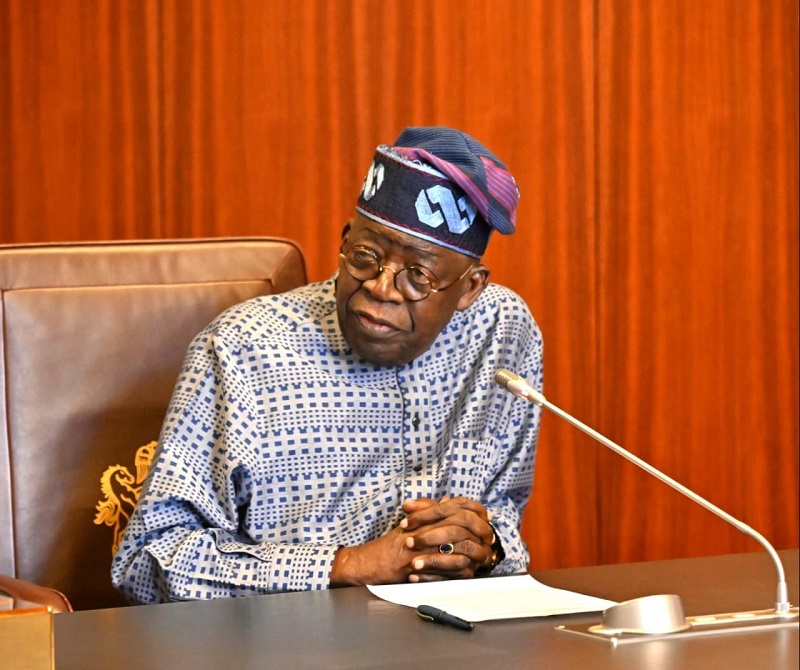
President Bola Ahmed Tinubu has approved the expansion of the Presidential Initiative on Compressed Natural Gas (PiCNG) to include electric vehicles, in a major policy shift aimed at accelerating Nigeria’s transition to clean and affordable transportation.
With the new directive, the initiative will now operate as the Presidential Initiative on Compressed Natural Gas and Electric Vehicles (PiCNG & EV), serving as the central coordinating body for the country’s clean mobility strategy.
The development was disclosed in a statement by the President’s Special Adviser on Information and Strategy, Bayo Onanuga, who said the expanded mandate would cover both gas-powered and electric vehicle ecosystems.

Under the revised framework, the initiative will oversee infrastructure development, financing models, and nationwide adoption of both compressed natural gas (CNG) and electric vehicles (EVs).
While continuing its push for CNG adoption, the programme will sustain investments in critical infrastructure such as Mother and Daughter Stations, Integrated Refuelling Units, vehicle conversion schemes, and CNG-powered transport systems.

In addition, it will now drive the rollout of electric vehicles, including the development of charging infrastructure and related investments across the country.
According to the presidency, the policy reflects the administration’s commitment to building a transport system that is cost-effective, energy-efficient, and environmentally sustainable.
Gas, the statement noted, remains a strategic fuel for Nigeria, offering cost advantages, improved energy security, and reduced dependence on foreign exchange, while the integration of EVs strengthens long-term sustainability goals.
As part of the directive, President Tinubu has instructed the leadership of PiCNG & EV to immediately establish a coordinated framework for the rapid nationwide deployment of vehicle conversion kits, ensuring affordability for Nigerians.
To support adoption, the initiative is expected to partner with CreditCorp Nigeria, financial institutions, and other stakeholders to design flexible financing options.
The President also ordered the accelerated rollout of Mobile Refuelling Units (MRUs) to improve access to CNG, particularly in underserved areas lacking permanent infrastructure.
The expanded PiCNG & EV initiative forms part of the Federal Government’s broader plan to harness Nigeria’s abundant gas resources while embracing cleaner energy alternatives, positioning the country for a more resilient and sustainable transportation future.