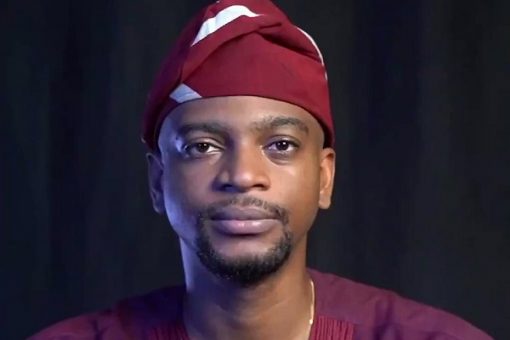
Actor-turned-politician Olumide Oworu has declared that politics should be driven by service and systems — not personal enrichment or desperation for power.
Speaking on the Clarity Zone podcast, the former Lagos State House of Assembly candidate in the 2023 general election criticised what he described as the growing trend of “career politicians” in Nigeria, arguing that it has distorted the true essence of public service.

“Politics is two things — systems and service,” Oworu said. “The type of politics and the idea of who a politician is are why many young people shy away from it. They think it is dirty and for the unexposed. But on the contrary, it is for people who are learned, well-travelled, and have a means.”
Oworu maintained that politics was never meant to be a lifelong profession dependent on holding office at all costs.

“Politics is not supposed to be a career, but for many people in Nigeria, it has become one, and that is the issue,” he stated.
According to him, when politicians lack alternative career paths or independent means, they become desperate to secure public office, often compromising values and governance standards in the process.
“The entirety of your existence is hinged on getting into office. The life you envisioned for yourself and your family is tied to whether you get into office or not. That’s why you need a godfather — because you are willing to do whatever it takes,” he said.
Oworu also criticised the culture of political godfatherism, describing it as a symptom of a flawed system that prioritises loyalty over competence.
“I don’t think godfatherism should be in politics, but sadly, a lot of politicians have godfathers because of the style of politics we practise. We need to change that. What should matter is capacity,” he added.
The actor-turned-politician emphasised that Nigeria’s political space needs educated, exposed, and visionary individuals who are genuinely committed to driving meaningful change rather than seeking office as a means of survival.
His comments add to ongoing conversations about youth participation, political reform, and the need to redefine leadership standards in Nigeria’s evolving democracy.