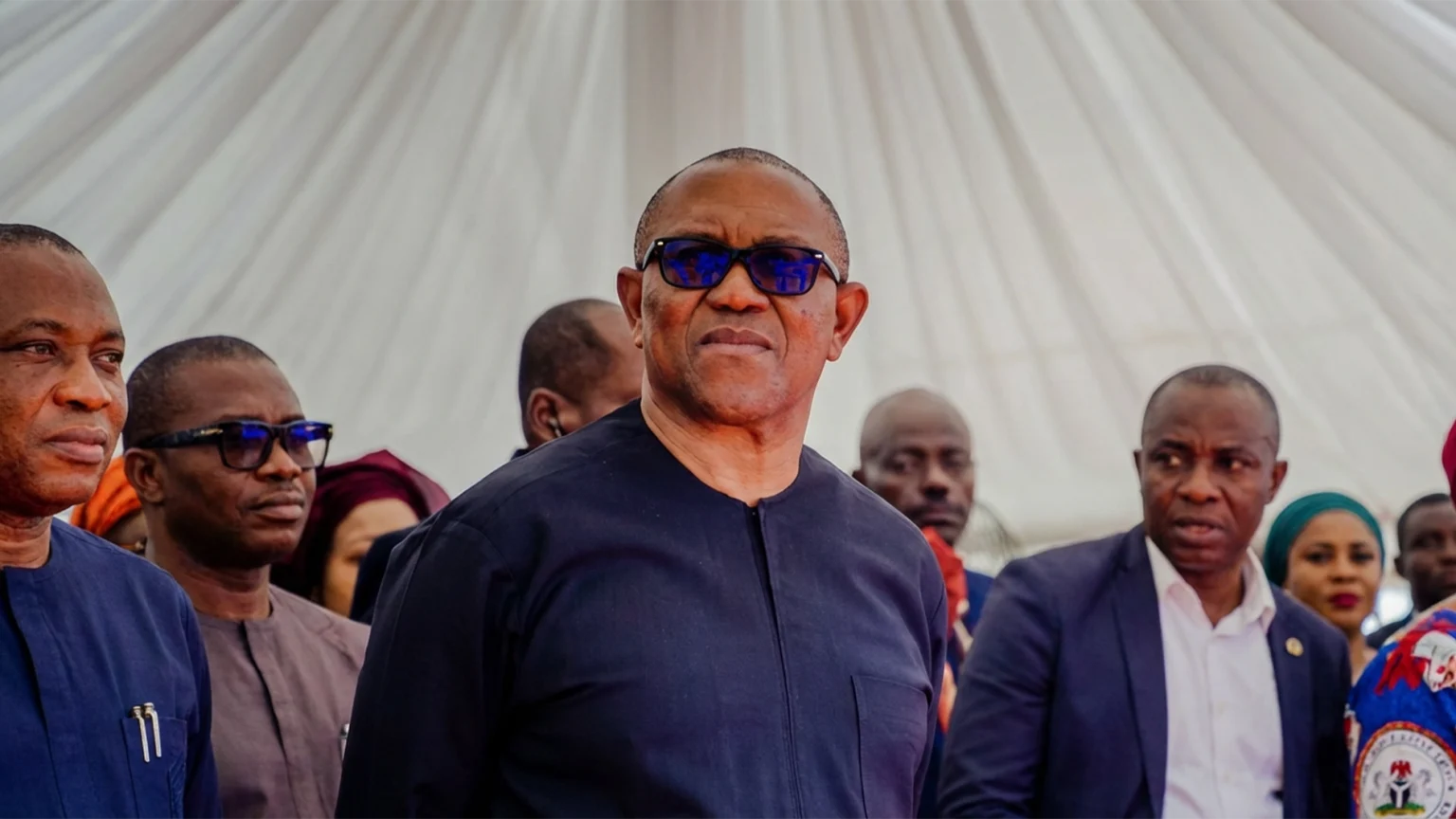
Nigerian opposition leader Peter Obi has sharply criticized President Bola Tinubu’s borrowing strategy, cautioning that the country risks long-term economic damage if loans continue to fund consumption rather than productive investments.
In a statement shared on X on Thursday, Obi—former governor of Anambra State—warned that indiscriminate borrowing without measurable economic value undermines national stability. He likened such practices to a slow but destructive force on the nation’s economic health and independence.
“Borrowing is not only a leprosy, but a killer cancer when it is borrowed for consumption and not production,” he stated.

Obi argued that prudent economies approach borrowing with strict discipline, ensuring that loans are tied to investments capable of generating growth, employment, and improved living standards. He stressed the importance of clear repayment strategies and measurable outcomes.

Referencing Nigeria’s Fiscal Responsibility Act 2007, Obi noted that the law mandates transparency in borrowing, including specifying its purpose and providing cost-benefit analyses that demonstrate both economic and social returns.
He further raised concerns about Nigeria’s rising debt-servicing burden, describing it as one of the highest globally. According to him, the debt-servicing-to-revenue ratio is a more critical indicator than the commonly cited debt-to-GDP ratio, as it directly affects the government’s ability to fund development priorities.
“These loans are dangerous because they limit the capacity of the state to invest in sectors that drive human development and economic growth,” he said.
Obi also argued that much of the current borrowing fails to meet legal and economic standards, with little evidence that it improves productivity or enhances citizens’ welfare.
He warned of a “double jeopardy” scenario where government revenue is used to service debts that do not generate future income or expand productive capacity.
“A responsible government does not merely defend borrowing; it explains it, justifies it, and most importantly, ensures it works for the people,” Obi added.
The remarks add to ongoing debates about Nigeria’s fiscal direction, as concerns mount over rising debt levels and their implications for sustainable economic development.