After nearly a decade of dominating conservative politics, Donald Trump’s absence from this year’s Conservative Political Action Conference has ignited a defining question within Republican circles: who will lead the movement next?
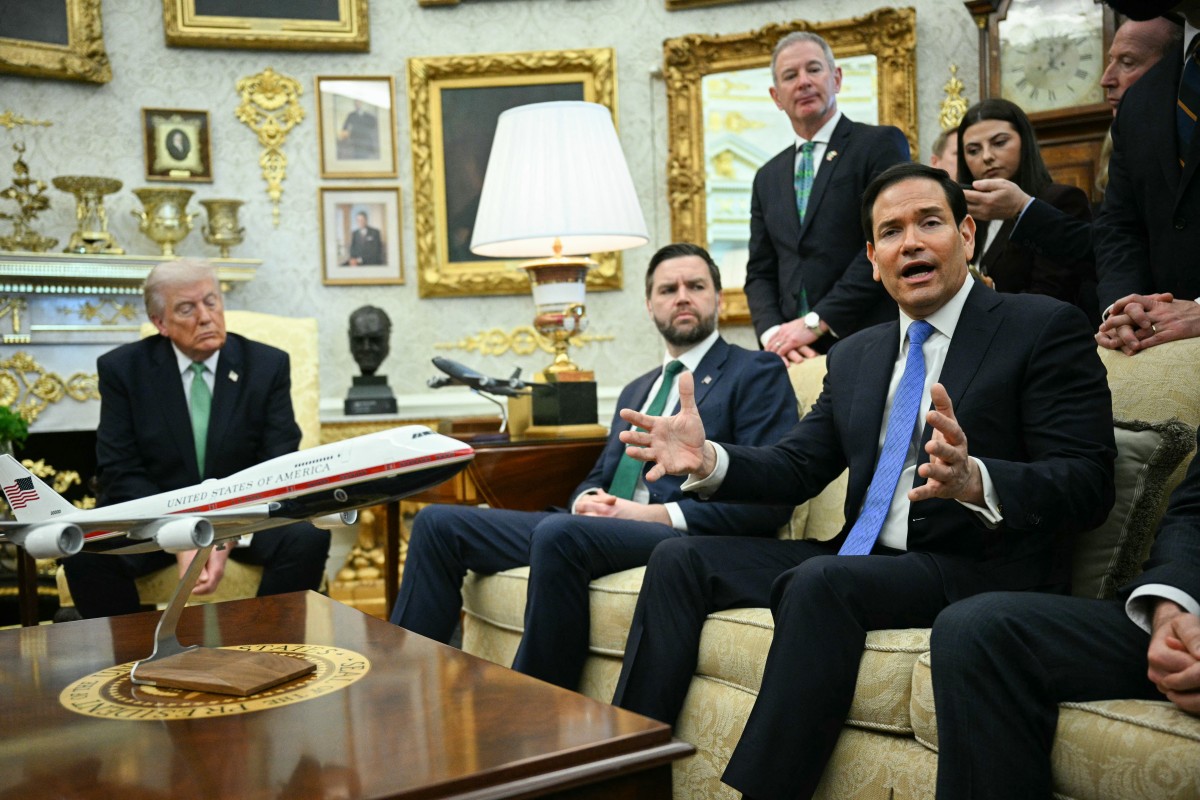
At the annual gathering — widely regarded as the world’s largest conservative conference — no clear successor has emerged. However, an early contest appears to be forming between Vice President JD Vance and Secretary of State Marco Rubio.
The event, held this year in the Dallas suburbs instead of its traditional Washington venue, offered a rare stage for Republican figures to step into the spotlight without Trump’s commanding presence.
Interviews with attendees revealed a party divided between continuity and experience. While national polling suggests Vance holds a comfortable lead among Republican voters, sentiment on the ground in Texas paints a more competitive picture, with support split between both men.

Many backers see Vance as the natural heir to Trump’s political movement, citing his personal journey from poverty in Appalachia to national prominence, as well as his strong alignment with Trump-era policies.
“He’s articulate, educated and more diplomatic,” said one attendee, reflecting a broader view that Vance combines Trump’s ideology with a more refined communication style.

Others, however, are gravitating toward Rubio, pointing to his extensive experience and steady hand in foreign policy.
“Marco Rubio is an outstanding statesman with a clear vision on international relations,” another participant said, highlighting his global outlook and diplomatic credentials.
Despite their differences, both men are being assessed through the same lens — their loyalty to Trump and the political movement he reshaped. Neither is viewed as a departure from Trumpism, but rather as a continuation of it.
That reality has, for now, sidelined other potential contenders, though names like Ron DeSantis continue to surface in discussions among party faithful.
Still, Trump’s influence looms large over the race. Some supporters even floated the idea of his return, despite constitutional limits preventing a third presidential term.
The ongoing debate underscores a broader tension within the Republican Party: while conversations about the future have begun, many loyalists remain reluctant to move beyond Trump’s era.
As one attendee put it, “We have to face the fact that we’re nearing the end of the Trump era” — even as his grip on the party remains firm.