Edo State Governor, Monday Okpebholo, has credited sustained dialogue with workers and labour leaders as a key driver of his administration’s development-focused agenda.
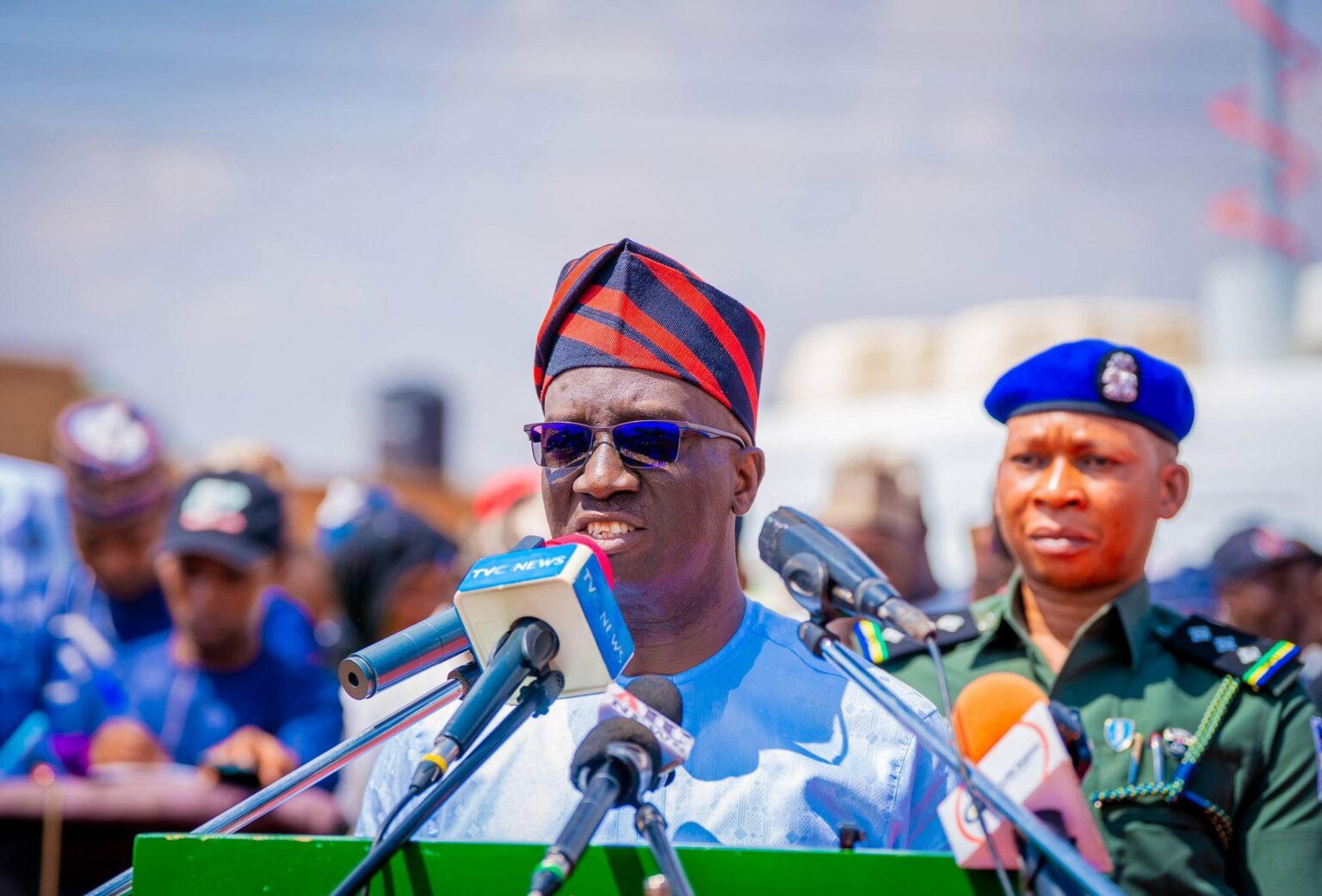
Speaking on Friday during the 2026 Workers’ Day celebration, the governor reaffirmed his commitment to workers’ welfare, describing it as a cornerstone of his leadership since taking office.
Okpebholo announced that his administration had raised the state’s minimum wage to ₦75,000, maintained the payment of 13th-month salaries, and ensured the consistent and timely disbursement of wages.

“I am delighted to join the hardworking men and women of Edo State on this special occasion of Workers’ Day 2026,” he said. “From teachers to healthcare workers, civil servants, artisans, traders, and security personnel, you remain the backbone of our progress.”

He praised labour leaders for fostering a cooperative relationship with the government, noting that their constructive engagement had enabled the administration to stay focused on developmental goals.
The governor also disclosed that the state released ₦1 billion to settle salary arrears at Ambrose Alli University and another ₦1 billion to clear outstanding gratuities owed to retired local government pensioners.
Highlighting employment efforts, Okpebholo revealed that over 10,000 jobs had been created under his administration, including the recruitment of 5,000 teachers, 1,300 healthcare workers, and 2,500 local vigilantes.
He further noted ongoing upgrades at the Local Government Training Institute in Okpako-Edo, which has recorded a significant rise in enrolment, alongside reforms to strengthen personnel administration through strategic appointments in key commissions.
To stimulate economic activity, the governor announced the launch of a ₦1 billion interest-free loan scheme targeting traders, artisans, and small-scale entrepreneurs.
Okpebholo also pointed to extensive infrastructure development across Edo’s three senatorial districts, positioning the state as an emerging construction hub aimed at improving mobility and market access.
On security, he reported a notable decline in cult-related violence, attributing the progress to proactive interventions and improved logistics support for security agencies.
The governor linked these achievements to broader national economic reforms, urging continued support for the federal government’s Renewed Hope Agenda.
Addressing pension concerns, he disclosed that a high-powered committee had been established to review the contributory pension scheme and propose solutions.
Reiterating his administration’s commitment to inclusive governance, Okpebholo assured workers of continued collaboration built on mutual respect and trust.
“We believe governance must be measured by impact, not promises. Together with labour, we will continue to build a stronger, safer, and more prosperous Edo State,” he said.