The Nigerian Bar Association (NBA), Ibadan branch, has expressed strong concern over what it describes as chronic underfunding and neglect of the judiciary in Oyo State, warning that the situation is crippling access to justice.
Speaking during a courtesy visit by members of the Nigeria Union of Journalists (NUJ), Oyo State Correspondents’ Chapel, at the Aare Afe Babalola Bar Centre in Ibadan, the branch chairman, Ibrahim Lawal, painted a grim picture of the state’s justice system.
He lamented the prolonged inactivity of key judicial institutions, including Rent Tribunals and Grade C Customary Courts, attributing the problem to inadequate government support. According to him, despite repeated appeals, the state government has failed to address the issues affecting lower courts.

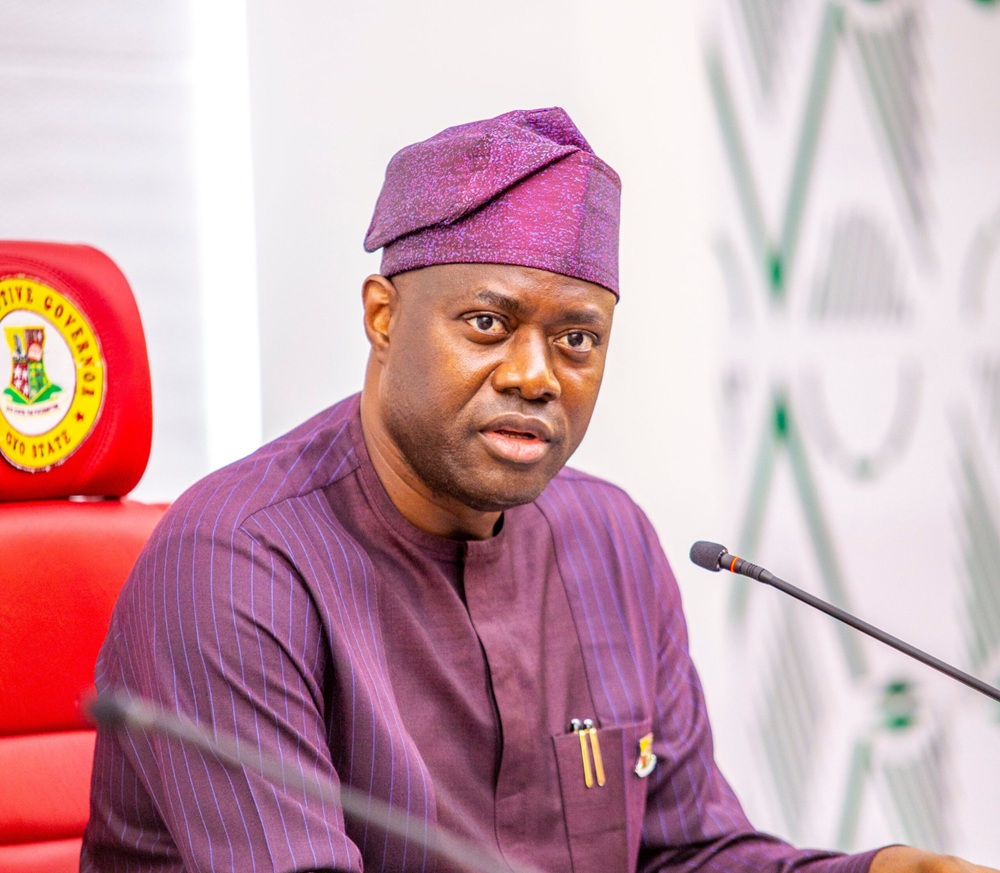
Lawal specifically faulted Governor Seyi Makinde for not appointing Presidents of the Grade C Customary Courts over the past seven years, stressing that these courts are vital for delivering justice at the grassroots level.
He warned that a dysfunctional judiciary poses a serious threat to economic growth, noting that the last time the customary courts operated effectively was during the administration of former Governor Abiola Ajimobi.

Highlighting the challenges faced by judicial officers, Lawal disclosed that some magistrates lack official vehicles, forcing them to rely on public transportation. He described the situation as unacceptable and a threat to judicial independence, noting that such conditions could expose magistrates to undue influence.
The NBA chairman also decried the poor state of court infrastructure across the state, particularly Magistrates’ Courts and the Customary Court of Appeal, many of which he said are in deplorable condition.
In a striking example of neglect, he revealed that electricity supply to the Customary Court of Appeal was recently disconnected over unpaid bills, further underscoring systemic challenges.
Lawal extended his criticism to the State Ministry of Justice, describing its condition as below standard. He noted that staff sometimes depend on private individuals for basic operational support, including a generator donated by a benefactor and a law library refurbished through private intervention.
According to him, conditions are even worse in courts located outside Ibadan, where judicial staff face reduced salaries and inadequate transportation allowances.
While acknowledging the governor’s achievements in other sectors, Lawal maintained that judicial reform has not received the attention it deserves. He also pointed to the slow pace of judge appointments, partly due to delays in providing essential tools such as official vehicles.
He further noted that the ongoing court construction project at the Oyo State High Court Complex in Ring Road, Ibadan, remains incomplete.
Reaffirming the NBA’s commitment to justice sector reform, Lawal said the association would continue to advocate for improvements, emphasizing that judges are often unable to speak out publicly.
He also pledged collaboration with the media, particularly in training journalists to enhance their understanding of legal reporting.
Earlier, NUJ Correspondents’ Chapel Chairman, Yinka Adeniran, appealed to the NBA for support in building the capacity of journalists covering judicial matters, to improve the quality and accuracy of reportage.