Economist Akpan Ekpo has faulted the recently signed Nigeria-United Kingdom port development agreement, describing it as skewed in favour of Britain and offering minimal economic benefits to Nigeria.
Speaking on Arise Television’s Morning Show on Monday, Ekpo argued that the deal is structured to stimulate the United Kingdom’s industrial and financial sectors, particularly its steel industry and banking system, while leaving Nigeria with long-term financial obligations.
According to him, the agreement could significantly increase Nigeria’s debt burden, with limited returns for the local economy.

“At the end of it, Nigeria will be in debt, while the so-called job creation largely benefits British workers, not Nigerians,” he said.
Ekpo further noted that most of the equipment required for the rehabilitation of Nigerian ports would be sourced from the UK, thereby restricting opportunities for local industries and reducing potential economic spillovers.

He also criticised the process leading to the signing of the memorandum of understanding (MoU), stressing that key institutions such as the Investment Promotion Commission should have been fully involved in negotiating the terms of the agreement.
“The British government has been very strategic. What we are seeing is economic diplomacy turned on its head, where their industries are strengthened under the guise of partnership,” he said.
The economist called for greater scrutiny of such agreements, suggesting that deals of this magnitude should undergo legislative review before approval to safeguard national interests.
He also warned about the long-term implications of borrowing, noting that Nigeria often fails to consider the intergenerational impact of accumulating debt.
“When we take loans, we rarely consider the burden it places on future generations,” Ekpo added.
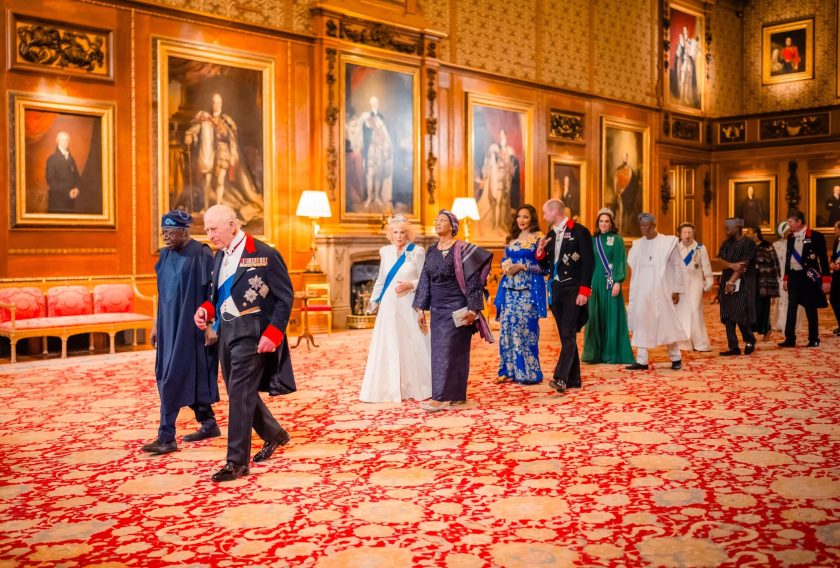
While acknowledging the diplomatic engagements surrounding the deal, he cautioned that beyond the high-level receptions and ceremonies lies a strategic effort by the UK to revitalise its domestic economy.
The port agreement has since sparked debate among stakeholders, with growing concerns over its potential impact on Nigeria’s economic sustainability and development priorities.