The Nigeria Customs Service (NCS) has rolled out the automation of its licences and permits system nationwide, marking a major shift toward full digital processing in a move aimed at reducing the cost of doing business and accelerating cargo clearance at ports and border stations.
The initiative forms part of the Service’s broader “e-Customs” trade modernisation programme spearheaded by Comptroller-General Adewale Adeniyi. The reform is designed to eliminate manual applications, reduce human contact, curb smuggling, streamline payments, and tackle fraudulent practices within the system.
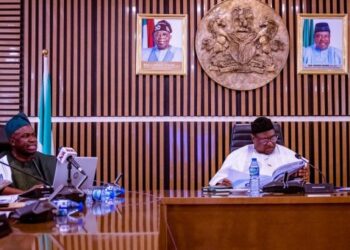
Speaking at a stakeholders’ forum in Lagos, Assistant Comptroller-General Mohammed Babandede, who represented the Comptroller-General, described the automation as the beginning of a new era in service delivery.
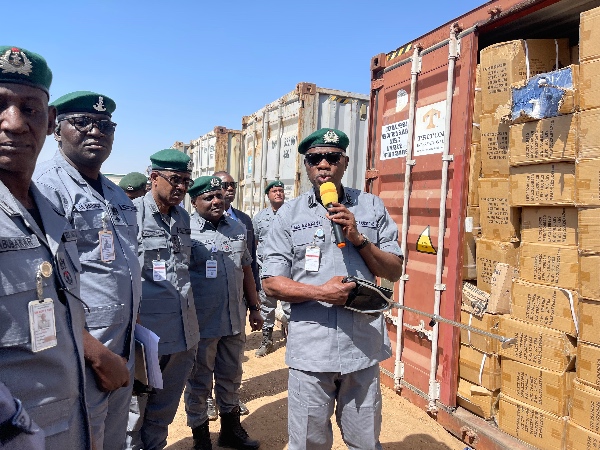
He noted that Zone A — the country’s most economically active Customs zone — carries a significant responsibility in ensuring a smooth transition.
Under the new system, stakeholders will no longer need to visit Customs offices to apply for or renew licences and permits. Applications can now be completed remotely, including via mobile devices, with real-time tracking of status updates.

Babandede said the reform directly addresses long-standing complaints about excessive paperwork, long queues, and opaque manual processes.
Also speaking, Comptroller of the Licences and Permits Unit under the Tariff and Trade Department, Ngozika Anozie, revealed that the Service now operates a dedicated portal for processing operational licences and permits.
According to her, importers, clearing agents, and traders will no longer need to travel to Customs offices or headquarters in Abuja to complete applications. The entire process is now digital, improving transparency, compliance, and efficiency.
Anozie linked the reform to the Comptroller-General’s three-point agenda of Consolidation, Collaboration, and Innovation. She explained that the system can automatically detect fraudulent documents and cross-check unpaid assessments through the B’Odogwu platform before approving applications.
Customs officials emphasised that every licence and permit issued contributes directly to federal revenue, making improved processing speed a key driver of national earnings.
Anozie noted that automation will enable officers to process more documents within minutes, enhancing productivity while reducing administrative burdens. Officers across various Area Commands have already undergone training ahead of the nationwide rollout.
The highpoint of the event saw stakeholders receiving handbooks and step-by-step guides to help them navigate the new digital system.
The forum attracted key trade groups, including the Association of Nigerian Licensed Customs Agents (ANLCA), the National Association of Government Approved Freight Forwarders (NAGAFF), and members of the Customs Consultative Committee (CCC).
With the nationwide automation now underway across all Customs zones, the Service says the reform will not only fast-track trade facilitation but also strengthen transparency, enhance revenue generation, and position Nigeria’s ports for greater global competitiveness.