Nigeria’s political landscape was thrown into fresh uncertainty on Wednesday as the Independent National Electoral Commission (INEC) withdrew recognition of the National Working Committee (NWC) of the African Democratic Congress (ADC), deepening the party’s lingering leadership crisis.
The electoral umpire announced that it would neither recognise nor monitor the activities of any faction within the ADC pending the resolution of ongoing legal disputes. This follows a judgment of the Court of Appeal directing all parties to maintain the status quo ante bellum.
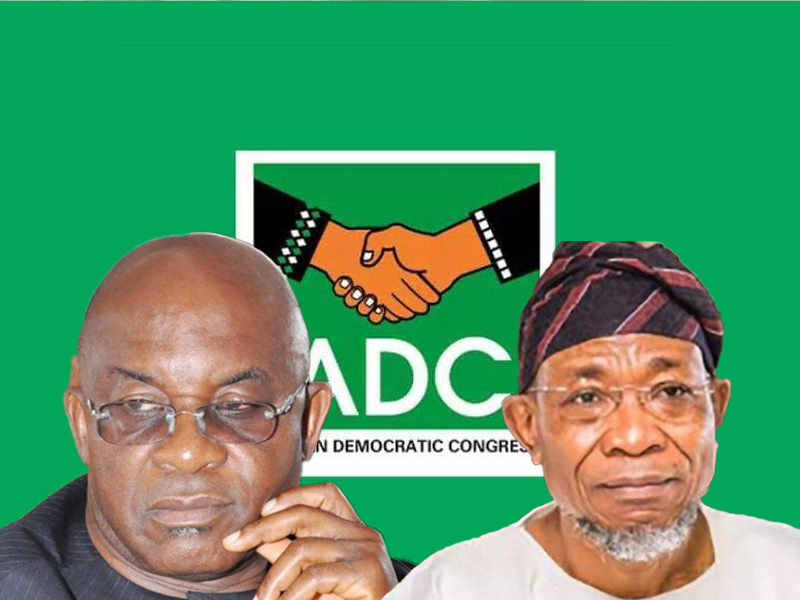
In a decisive move, INEC removed the names of key party leaders, including National Chairman David Mark and National Secretary Rauf Aregbesola, from its official portal, replacing them with a “BY COURT ORDER” notice.

The commission also rejected claims by factional chairman Nafiu Bala Gombe, stating it would not engage with any group or individual laying claim to the party’s leadership until the Federal High Court delivers a final ruling.
INEC National Commissioner, Mohammed Kudu Haruna, said the decision was in strict compliance with the appellate court’s directive to avoid actions that could prejudice ongoing proceedings.

“The Commission will refrain from any act capable of foisting a fait accompli on the court,” INEC stated, adding that it would not process communications, monitor meetings, or recognise conventions organised by any ADC faction.
The crisis stems from a protracted leadership tussle that began after the emergence of Mark’s NWC in 2025, following the resignation of former chairman Ralph Nwosu. Gombe, a former deputy national chairman, challenged the leadership arrangement in court, insisting he should assume control in line with the party’s constitution.
Despite INEC’s stance, the ADC rejected the commission’s interpretation of the court ruling, accusing it of bias and external influence.
Party spokesman Bolaji Abdullahi alleged that INEC had “caved to pressure,” claiming the decision undermines democratic principles and the opposition’s growing momentum ahead of the 2027 elections.
Meanwhile, tensions spilled onto the streets of Abuja as a faction of the party staged a peaceful protest at INEC headquarters, demanding recognition of Gombe as national chairman. Protesters carried placards with inscriptions such as “Obey the Court” and “Respect the Constitution,” warning against actions that could erode the rule of law.
Addressing demonstrators, ADC chieftain Abimiku Monday insisted that the Court of Appeal judgment remains binding, citing constitutional provisions that mandate compliance with judicial decisions.
INEC, however, maintained that its leadership is committed to neutrality, urging political actors to avoid actions that could disrupt preparations for the 2027 general elections.
The ADC crisis reflects deeper internal fractures, driven by disputes over control, coalition alignments, and the influx of new political actors seeking to position the party as a viable opposition platform.
With multiple factions, parallel structures, and ongoing litigation, the battle for the soul of the ADC appears far from over.