Nigeria’s Federal Government has rolled out a sweeping set of economic reforms under the 2026 Fiscal Policy Measures (FPM), cutting import tariffs across key sectors in a move aimed at stimulating growth, reducing costs, and supporting local industries.
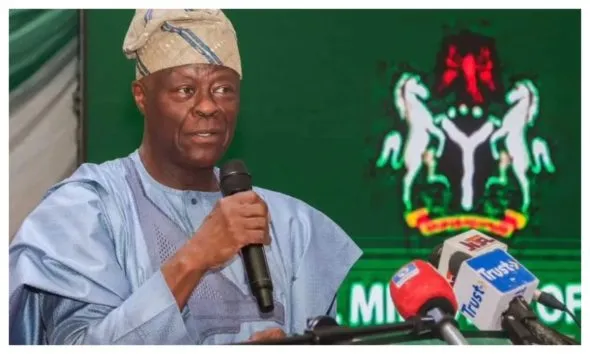
The new policy, approved by the government and conveyed in an April 1, 2026 document signed by Finance Minister Wale Edun, replaces the 2023 fiscal framework and introduces adjustments across 127 tariff lines.
At the heart of the reforms is a broad reduction in import duties on essential goods, including food items, vehicles, and industrial inputs. The government says the changes are designed to drive economic expansion while easing the burden on businesses and consumers.

One of the most notable adjustments is in the automotive sector, where import duties on fully built passenger vehicles—including SUVs and station wagons—have been reduced from 70 percent to 40 percent. The move is expected to lower vehicle costs and improve access.

Food imports also saw significant revisions. Tariffs on rice have been cut to 47.5 percent from 70 percent, while duties on broken rice now stand at 30 percent. Similarly, crude palm oil tariffs were reduced to 28.75 percent, and sugar duties trimmed across multiple categories.
The policy extends relief to industrial and manufacturing sectors, with reduced duties on steel products, aluminum-coated materials, and key industrial inputs. In some cases, tariffs have been slashed to zero—particularly for agricultural machinery, railway equipment, and cargo vessels—signalling a push to boost infrastructure and production capacity.
To ease implementation, authorities introduced a 90-day grace period for importers who initiated transactions before April 1, allowing them to clear goods under the previous tariff regime.
However, the reforms are not without new measures. The government also announced the introduction of an excise duty framework and a green tax surcharge, both scheduled to take effect from July 1, 2026.
Under the green tax plan, certain categories will be exempted, including vehicles below 2000cc, electric vehicles, mass transit buses, and locally manufactured automobiles—indicating a policy tilt toward sustainability and domestic production.
Other notable tariff adjustments include reductions on electrical equipment, medical infrastructure such as modular surgical theatres, and essential industrial components like pumps and compressors.
Overall, the 2026 Fiscal Policy reflects a strategic balancing act—aimed at boosting government revenue while stimulating economic activity. By lowering tariffs on critical imports and supporting key sectors, the government is positioning the economy for improved competitiveness, industrial growth, and broader access to essential goods.