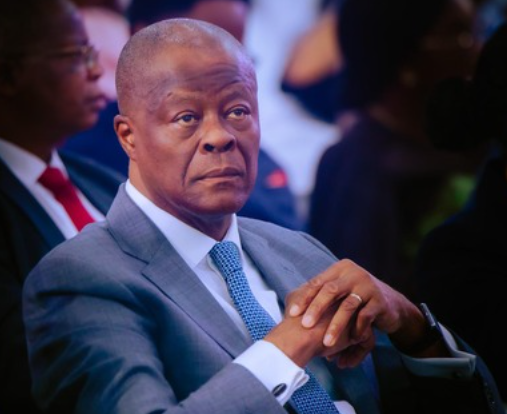
Following threats from foreign investors to freeze $3 billion in potential investments, the federal government has initiated discussions with financial stakeholders to address concerns over capital gains tax and private equity investment rules.
At a press briefing in Abuja on Friday, Finance Minister and Coordinating Minister of the Economy Wale Edun emphasized that the government seeks long-term, job-creating investments rather than short-term speculative funds.
“We welcome patient capital that stays, builds businesses, creates jobs and adds value, not speculative funds that come in and leave quickly,” Edun said.

The Minister explained that ongoing talks through the Tax Implementation Committee aim to ensure that rules governing capital gains tax are fair, transparent, and protective of government revenue, while maintaining Nigeria’s attractiveness to investors.
Officials highlighted that these discussions are critical to restoring investor confidence and avoiding the freeze of billions in potential private sector funding.

Edun also outlined measures to improve revenue collection and transparency across ministries, departments, and agencies:
All revenue-collecting agencies are migrating to a single digital platform for real-time tracking and reconciliation.
Expenditures of revenue-generating agencies are being reviewed to ensure they remain within legal limits.
Budget reforms aim to align spending with actual funding, ending overlaps and unpaid obligations.
“What we are doing now is aligning releases with actual funding so government does not commit money it has not yet received,” Edun explained.
On investment prospects, Edun invited private sector participation in managing or partnering on public assets, including airports and seaports. Some assets are already listed for potential concession, with further opportunities open to proposals showing clear economic benefit.
“There is no sector that is closed to serious investors who want to bring ideas, funding and efficiency,he added.
Addressing oil revenue, Edun confirmed a forensic audit of the Nigerian National Petroleum Company (NNPC) under the supervision of the Federation Account Allocation Committee. The review examines deductions and charges to ensure accurate revenue allocation to all tiers of government.
A new executive order now directs certain revenues, including management fees, frontier exploration funds, and gas flare penalties, to be paid directly into the Federation Account, improving transparency and accountability.
The federal government’s engagement with investors is part of a broader push to strengthen Nigeria’s investment climate, increase revenue transparency, and attract sustainable funding that drives economic growth, while safeguarding public finances.