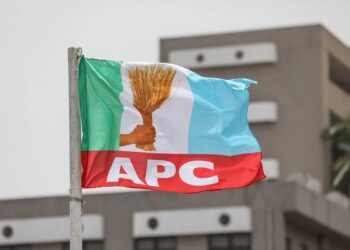
On Saturday, February 21, residents of the Federal Capital Territory (FCT) will go to the polls to elect 68 officials—six Chairmen and 62 Councillors—in what is widely regarded as a major test of the 2026 Electoral Act recently signed into law.
Since Nigeria’s return to democracy in 1999, the Independent National Electoral Commission (INEC) has conducted FCT Area Council elections, with no single party ever sweeping all available seats.
Following defections and party realignments, the contest is primarily between the All Progressives Congress (APC) and the African Democratic Congress (ADC). The Peoples Democratic Party (PDP) faces internal crises, with some candidates withdrawing to support APC contenders, particularly in Bwari and Abuja Municipal Area Councils—the FCT’s largest ward.

The Labour Party is absent from the election, despite initial court directives to include its candidates, shifting opposition focus to the ADC, which has gained prominence thanks to endorsements from former presidential candidate Peter Obi and the influence of Senator Ireti Kingibe, a former Labour Party Senator who joined the ADC.
The election has become more than a local contest; it is a proxy for political influence in the nation’s capital ahead of the 2027 general elections. FCT Minister Nyelsom Wike has played a decisive role in shaping the race, leveraging infrastructure projects in rural areas to consolidate support for APC candidates.

While the APC is using the election to test its popularity and strengthen grassroots networks, the ADC seeks to establish itself as a viable opposition alternative. Analysts suggest the results could influence coalition-building, voter mobilization strategies, and perceptions of party strength on the national stage.
Reports from the Kukah Centre and INEC indicate areas like Gwagwalada are of particular concern due to past clashes between party supporters. Authorities are working with the Police, EFCC, and ICPC to curb vote buying and ensure credible elections.
INEC Chairman Prof. Joash Amupitan has emphasized transparency, stating the commission is committed to free, fair, and orderly polls. The Police have also warned potential troublemakers to stay away from the election.
Beyond local representation, the FCT Area Council elections are a symbolic test of Nigeria’s democratic institutions under the 2026 Electoral Act. The polls will measure the APC’s consolidation, the opposition’s realignment, and the credibility of electoral processes ahead of nationwide contests in 2027.
With high-profile endorsements, withdrawals, and strategic maneuvers shaping the race, Saturday’s election in Abuja promises to be closely watched across the country—and may set the tone for Nigeria’s political landscape in the coming years.