The Federal Government has unveiled sweeping fiscal reforms for 2026, introducing major tariff reductions on a range of imports, including vehicles, rice, palm oil, and sugar, in a bid to stimulate economic growth and strengthen key sectors.
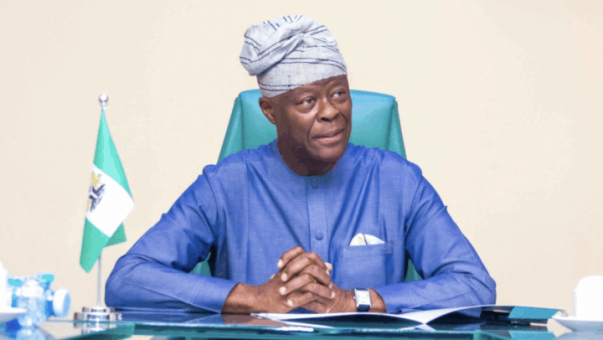
The new measures were announced in an official circular signed by the Minister of Finance and Coordinating Minister of the Economy, Wale Edun. According to the document, the updated framework replaces the 2023 fiscal guidelines and forms part of a broader strategy to reposition Nigeria’s trade and industrial landscape.
Central to the reform is a revised national tariff schedule affecting 127 items. Import duties on fully built passenger vehicles—such as four-wheel drives and station wagons—have been reduced to 40 percent, down from the 70 percent rate set under the 2015 policy.

Essential food imports also saw notable cuts. Tariffs on bulk rice have dropped to 47.5 percent from 70 percent, while duties on broken rice now stand at 30 percent. Crude palm oil imports will attract a reduced effective duty of 28.75 percent, while raw sugar tariffs have been adjusted to between 55 and 57.5 percent. Refined salt imports will now be taxed at 55 percent.
The policy extends relief to industrial and construction materials, with tariffs on ceramic tiles and various steel products lowered. Zinc-coated steel sheets and rods are now largely fixed at 35 percent, while cold-rolled, low-carbon steel is set at 15 percent.

To further drive industrialisation, the government approved zero import duties on agricultural and industrial machinery, cargo vessels, railway locomotives, and breathing equipment—measures aimed at lowering production costs and encouraging investment.
Importers who initiated transactions before April 1 have been granted a 90-day grace period to clear goods under the previous tariff regime.
In addition, a new excise duty structure and green tax surcharge are scheduled to take effect from July 1, 2026. However, certain categories—including vehicles below 2000cc, mass transit buses, electric vehicles, and locally manufactured auto components—will be exempt, highlighting a policy shift toward environmentally friendly transportation and domestic production.
The reforms signal a significant recalibration of Nigeria’s fiscal policy as authorities seek to balance revenue generation with economic expansion and industrial growth.