Special Assistant to the President on National Assembly Matters (House of Representatives), Ibrahim Olarewaju, has resigned from his position in compliance with the Electoral Act, signaling his intention to return to active legislative politics.
The move, widely seen as strategic, underscores his adherence to due process and respect for democratic principles at a time when such standards are often questioned in Nigeria’s political space.
Olarewaju’s resignation marks what observers describe as a deliberate return to the frontline of representation, backed by experience, credibility, and longstanding ties to his constituents in Moba, Ilejemeje, and Ido-Osi local government areas of Ekiti State.

His decision follows sustained calls from constituents urging him to recontest the Ekiti North II seat in the House of Representatives, a position he previously held with what supporters describe as impactful performance and accessibility.
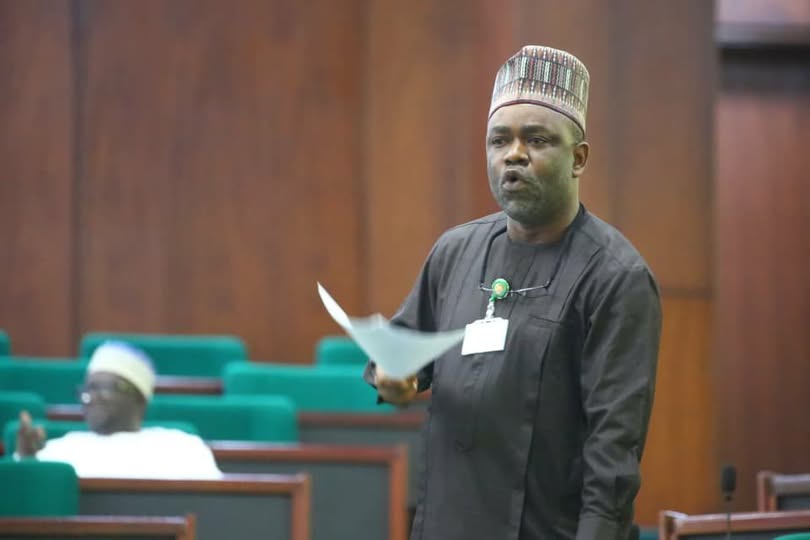
During his earlier tenure in the National Assembly, Olarewaju built a reputation for active participation in legislative debates, constituency-focused initiatives, and facilitating development projects. His approach to lawmaking and representation earned him recognition as a responsive and result-driven legislator.

His subsequent role within the Presidency further strengthened his political profile.
As a liaison on National Assembly matters, he played a part in policy coordination and legislative negotiations, contributing to smoother collaboration between the executive and legislative arms of government.
Analysts say this dual experience—spanning both the legislature and the executive—places him in a strong position to navigate the complexities of governance and attract development to his constituency if elected.
Beyond institutional experience, Olarewaju is also noted for maintaining close contact with grassroots communities, a factor that continues to bolster his support base. His sustained engagement, rather than seasonal political outreach, has reinforced his image as an accessible and committed public servant.
His resignation has also intensified political activity within the All Progressives Congress (APC), as aspirants position themselves ahead of the party’s primaries for the Ekiti North II ticket.
With the race gaining momentum, attention is shifting toward candidates’ track records and capacity to deliver effective representation. In this regard, Olarewaju’s blend of legislative experience, executive exposure, and grassroots backing is increasingly shaping the dynamics of the contest.
Political observers note that his entry has begun to redefine the race, transforming what was initially an open contest into one gradually consolidating around a candidate with broad-based appeal.
As Ekiti North II prepares for a crucial electoral decision, the focus remains on leadership capable of addressing local challenges while effectively leveraging national opportunities.
For Olarewaju, the resignation represents more than a procedural step—it signals a renewed bid for elected office, backed by experience, strategic insight, and growing political momentum.