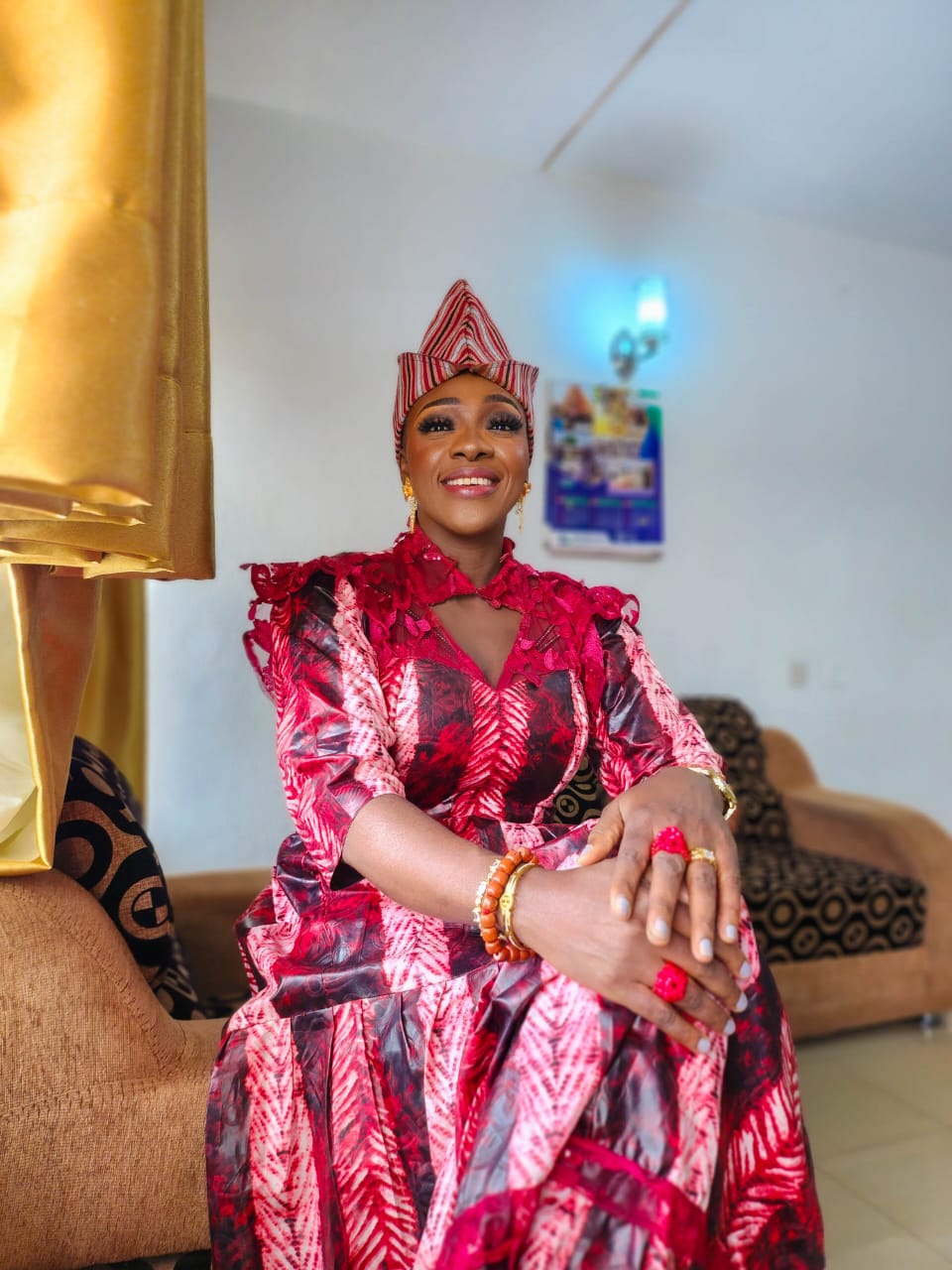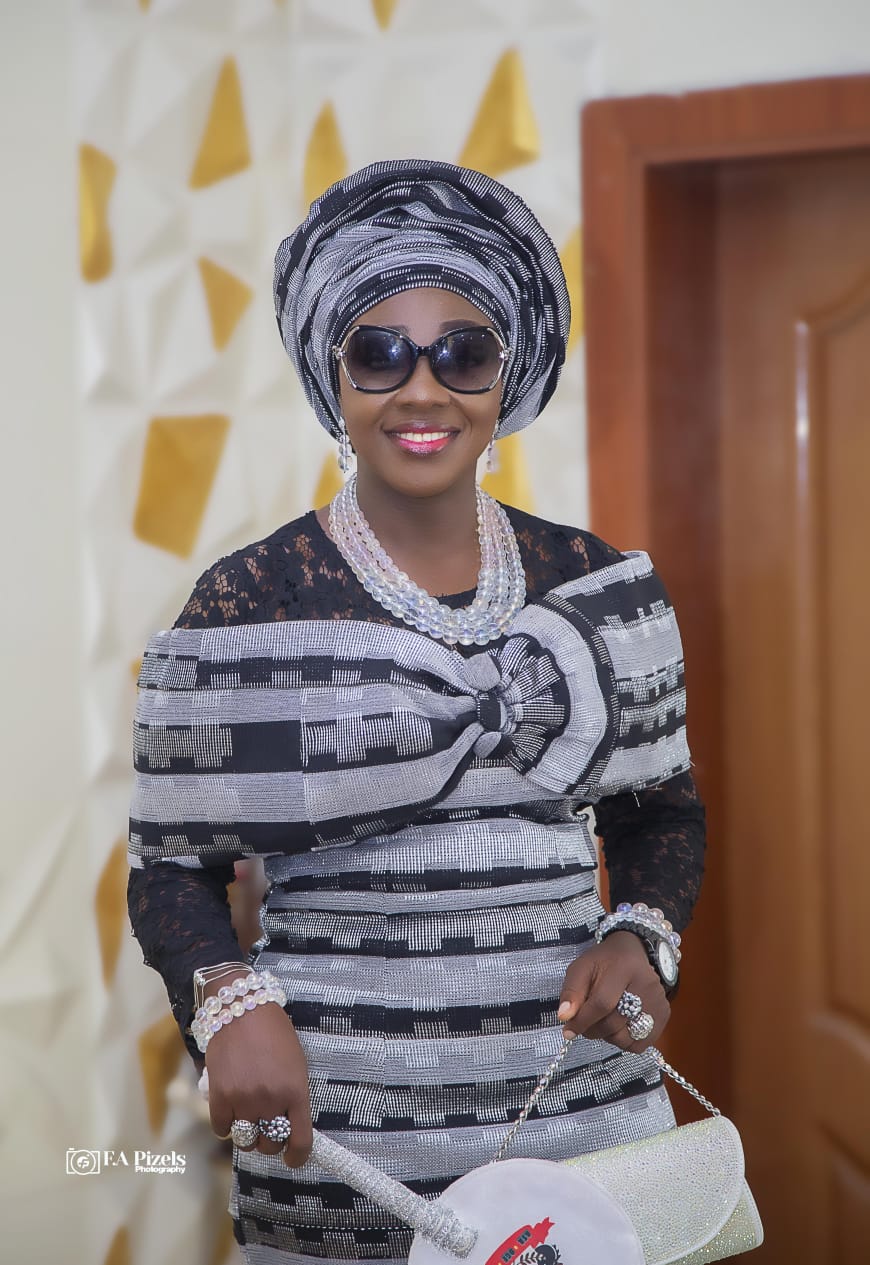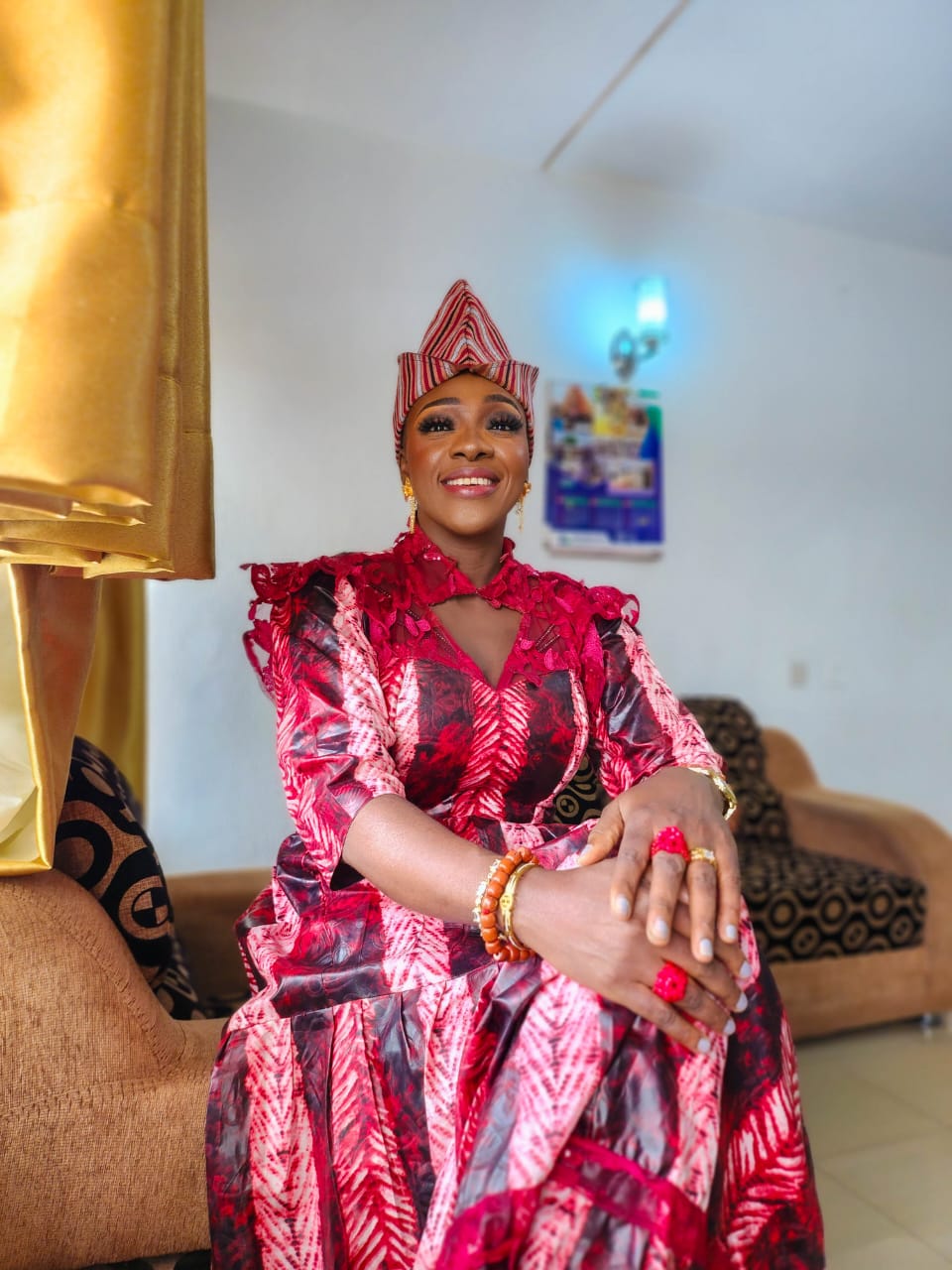
In a media era driven largely by virality and controversy, Omobola Precious Akangbe is charting a different course one anchored in culture, values and purposeful influence.
Popularly known as Mo’Precious, the Nigerian broadcaster based in Ghana has steadily built a reputation as both a media professional and a cultural ambassador, using her platform to promote identity, unity and moral consciousness across West Africa.
On Ahotor FM, she hosts the widely recognised OmoNaija show — a programme dedicated to celebrating Nigerian culture, music, language and achievements while fostering cross cultural dialogue with Ghanaian and other African audiences.

Rather than downplaying her Nigerian roots, Akangbe has amplified them, turning authenticity into influence. Through consistent, value-driven storytelling, OmoNaija has evolved beyond entertainment into a cultural bridge between Nigeria and Ghana.
In a media landscape often criticised for sensationalism, the show spotlights success stories, promotes unity and challenges stereotypes about Nigerians in the diaspora. The approach has positioned her as an unofficial ambassador of Nigerian culture projecting resilience, discipline and pride to a broader regional audience.

Akangbe’s influence extends beyond the studio. Through her “No Nudity” campaign, she has stepped into social advocacy, promoting modesty, self-worth and responsible self-expression among young people, particularly young women across West Africa.
Framed not as moral policing but as empowerment, the campaign addresses what she sees as the growing normalisation of hyper-sexualisation on social media. Her message encourages youths to embrace dignity, cultural values and self-respect as foundations for confidence and long-term relevance.
By leveraging her visibility for advocacy, she underscores a broader philosophy: that influence carries responsibility.
Omobola Precious Akangbe represents a generation of African media figures blending professionalism with patriotism and Pan-African consciousness. Her cross-border presence reflects the soft power of cultural diplomacy earned through credibility rather than imposed through politics.
Her journey illustrates how radio can do more than broadcast music and conversation; it can transmit culture, shape identity and inspire dialogue across nations.
As her voice continues to resonate from Accra to wider West Africa, Akangbe stands not just as a broadcaster, but as a cultural force redefining what it means to wield media influence with intention and integrity.