Fresh details have emerged following the dramatic scenes that marred the burial of late gospel singer Bunmi Akinnaanu, popularly known as Omije Ojume, with her estranged husband, Rotimi Adeoye, offering his version of events amid an escalating family dispute.
Adeoye’s account surfaced during a YouTube broadcast on Yeye Kudi Courtroom TV, where a woman played a recorded phone conversation allegedly involving him. In the recording, Adeoye spoke at length about his marriage to the late singer, the circumstances surrounding their separation and his strained relationship with their children.
The disclosure comes days after what was meant to be a solemn burial descended into public confrontation, triggering intense debate across social media and within the gospel music community.
What began as an emotional service of songs reportedly escalated into chaos at the graveside, with accusations of abandonment, infidelity, manipulation and long-running custody battles exchanged among family members, associates and colleagues of the late singer.
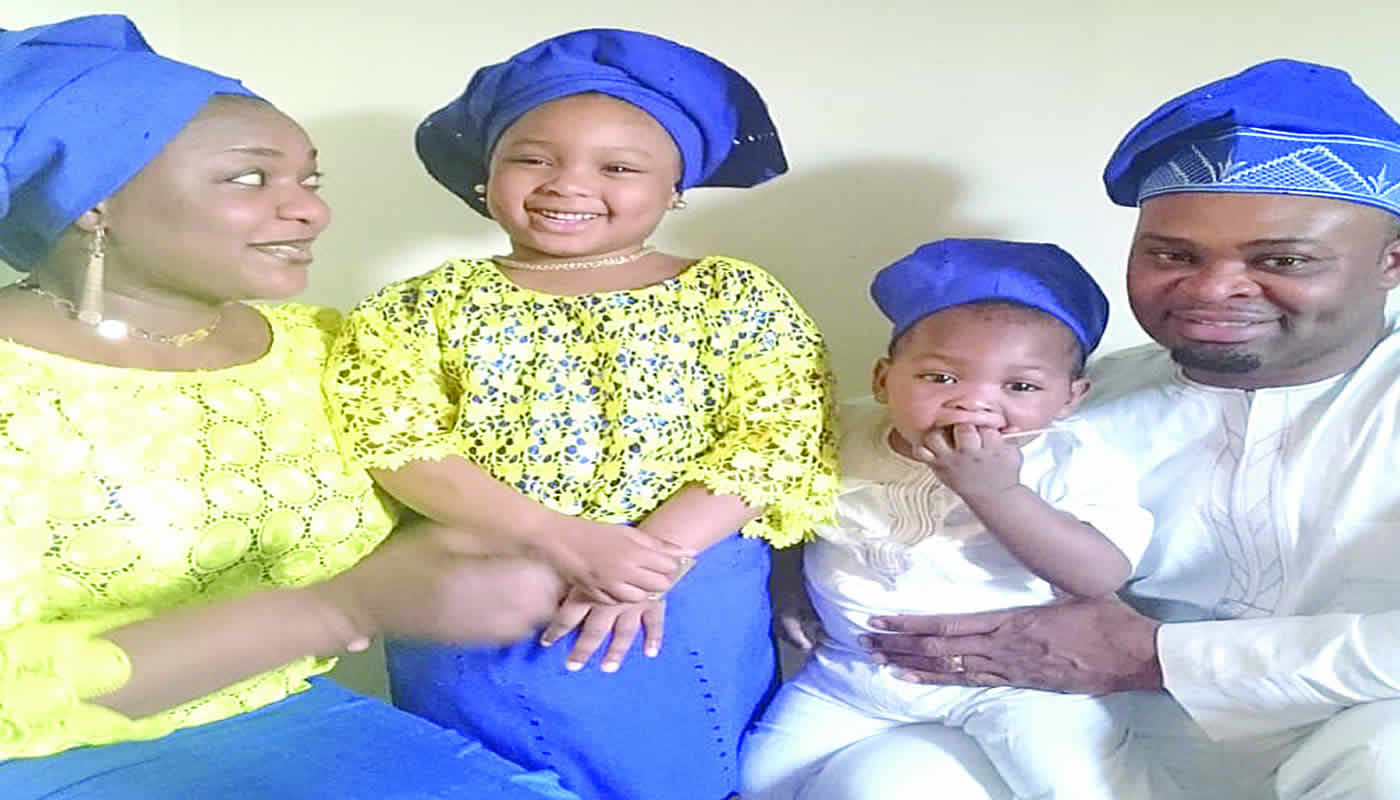
Omije Ojume and Adeoye were married in 2006, first at the Surulere Magistrate Court and later in a church ceremony at ECWA Church, Mushin. Their marriage reportedly broke down around 2010 and was legally dissolved between 2017 and 2018. Sources close to the family cited migration challenges to the United Kingdom, financial pressures and personal disagreements as contributing factors, with custody of their children becoming a major point of contention.
Adeoye, who is believed to reside abroad and has since remarried, claimed that Akinaanu returned to Nigeria with their children while he remained in the UK. The late singer later raised the children as a single mother until her death from illness in late 2025, during which public fundraising efforts were organised to support her medical treatment.
Breaking his silence after the burial, Adeoye released a series of voice notes, videos and interviews circulated online. He alleged that the marriage collapsed due to infidelity and deception, claiming he met Akinaanu in the UK in the early 2000s and married her after securing a work visa.
According to him, their first child, Jomiloju, was born in London and lived with him until 2010, when Akinaanu allegedly took the child to Nigeria without his consent under the pretext of a short visit. He claimed this occurred shortly before the child’s UK residency documents were due for processing.
“She blocked every access I had to reach you,” Adeoye said, alleging that his attempts to contact his children — including through their schools — were frustrated and, at times, escalated to police involvement.
He denied abandoning his children, insisting that he sent regular financial support, sometimes amounting to thousands of pounds, and paid school fees before communication was cut off for over eight years. He further alleged that the children were brainwashed against him and described their life in Nigeria as an “underground lifestyle.”
Adeoye called for DNA tests and vowed to pursue custody through legal means, while maintaining that he still loved the children and hoped for reconciliation.
Speaking emotionally, he said, “I bathed that child. We were together until she was seven.”
He also claimed tensions worsened after the birth of their second child, alleging that although he funded the delivery, his name was omitted from the birth certificate and he was later denied access. He said the last time he saw his son was on the child’s first birthday, adding that several planned reunions never materialised.
The controversy intensified after an emotional tribute delivered by Jomiloju during the service of songs went viral. The teenager described her late mother as “the best woman in the world” while accusing her father of abandonment.
“Ever since my father left me, he did not care. He did not call. Imagine now he’s calling when he knows that someone has left,” she said, adding that an uncle had stepped in as a father figure. She vowed to honour her mother’s wishes by pursuing a career in gynaecology and supporting her younger brother, William.
Meanwhile, tensions also flared between the singer’s family and members of the gospel music community. In a video statement, a representative of her colleagues, Niyi Peter, claimed Akinaanu had been informed of her impending death and had requested a widely witnessed burial.
According to him, gospel artistes, believing she had endured significant hardship, fixed a burial date with initial family consent and commenced preparations. He alleged that singer Alayo Melody funded major burial arrangements, including the coffin, burial space, event hall and branded materials, but that the family later rejected the plan, involved the police and opposed the artistes’ participation.
Peter also alleged that a woman who stayed with Akinaanu during her hospitalisation was arrested and pressured to surrender her phone.
In response, Akinaanu’s family denied being problematic, expressing shock at what they described as the haste with which burial arrangements were announced online. They said the burial was eventually organised independently using pooled family resources.
Adeoye’s relatives have also defended their actions at the graveside, alleging that the children had been manipulated and that reconciliation efforts before the burial were frustrated.
Since the burial, family members and associates on both sides have continued to air their grievances publicly, deepening a controversy that has divided opinion and cast a shadow over the final rites of the late gospel singer.


Burial Drama Deepens as Omije Ojume’s Estranged Husband Breaks Silence, Alleges Years of Separation



Leave a Reply