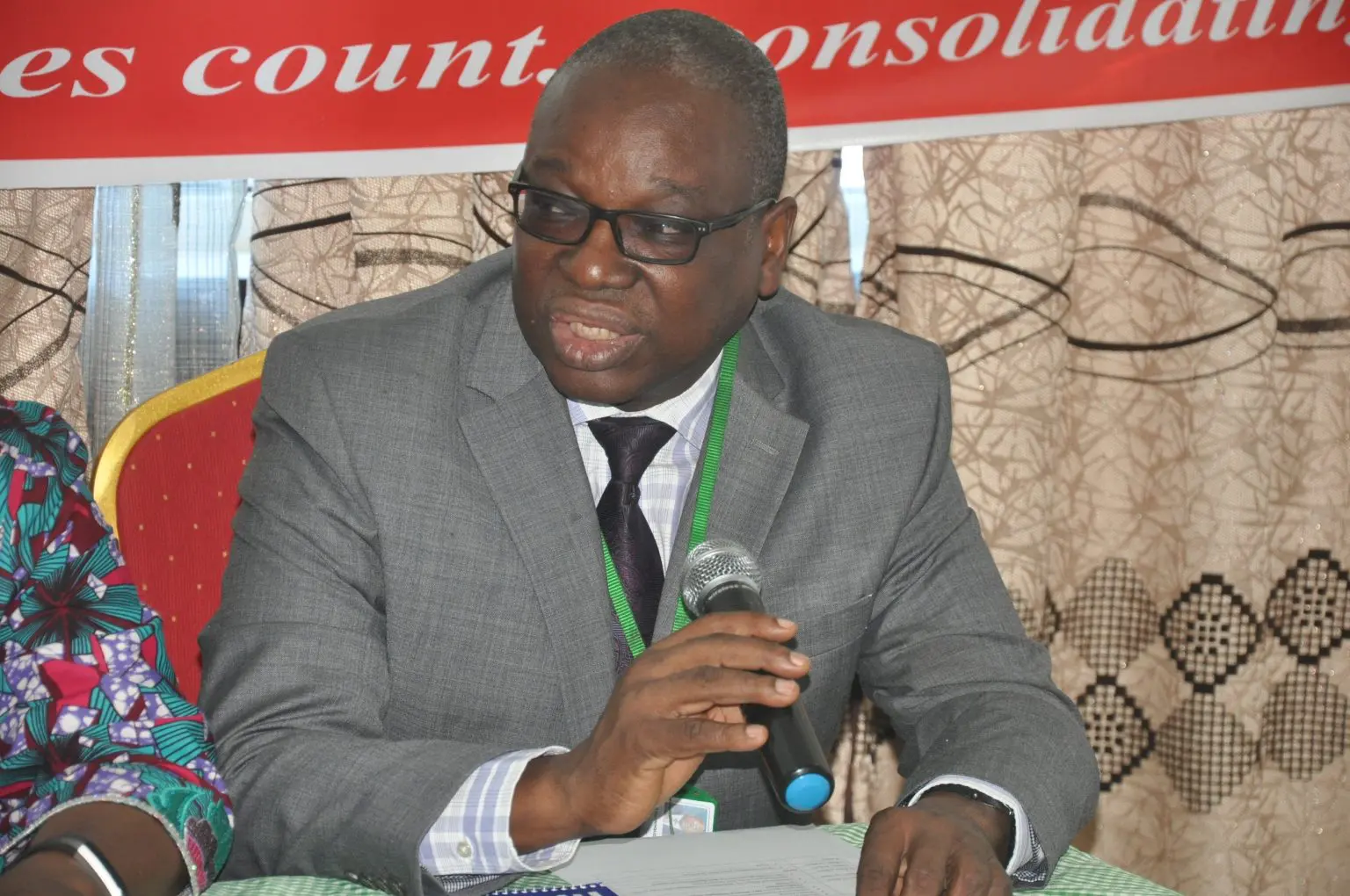

A former Director of Voter and Publicity Education at the Independent National Electoral Commission (INEC), Oluwole Osaze-Uzzi, has alleged that the Senate is deliberately delaying the passage of a new Electoral Act, despite widespread calls for urgent electoral reforms.
Osaze-Uzzi made the allegation on Tuesday while speaking in an interview on Arise Television, where he warned that continued delay could force Nigeria to conduct future elections under the Electoral Act of 2022, which he described as flawed.

“Evidence shows that the Senate is deliberately delaying the passage of the Electoral Act. I think the circumstantial evidence suggests that it is a deliberate ploy,” he said.
According to him, the delay is troubling given the proximity of future elections and the acknowledged shortcomings of the 2022 Act.
“When you see how these things are unfolding, you begin to question the reasons. We were told this would be part of the legislative agenda and treated as a top priority,” Osaze-Uzzi said.
He noted that while the National Assembly continues to focus on issues such as agriculture and the national budget, electoral reforms have been repeatedly sidelined.
“What is disturbing to people like us who observe these matters is that many commentators, lawyers, civil society organisations and the media have all pointed out the flaws in the Electoral Act of 2022. Nigerians saw the issues clearly,” he added.
Osaze-Uzzi recalled that the National Assembly itself had earlier acknowledged gaps in the law after its passage, particularly regarding the exclusion of statutory delegates from political party conventions.
“They had to send the Act back to then President Muhammadu Buhari for an amendment because they realised that certain statutory delegates who should participate in national conventions were omitted,” he said.
He warned that revisiting such fundamental issues so close to election cycles could undermine public confidence in the electoral process.
“We are too close to elections to still be grappling with these issues. We shouldn’t be doing this,” Osaze-Uzzi said.